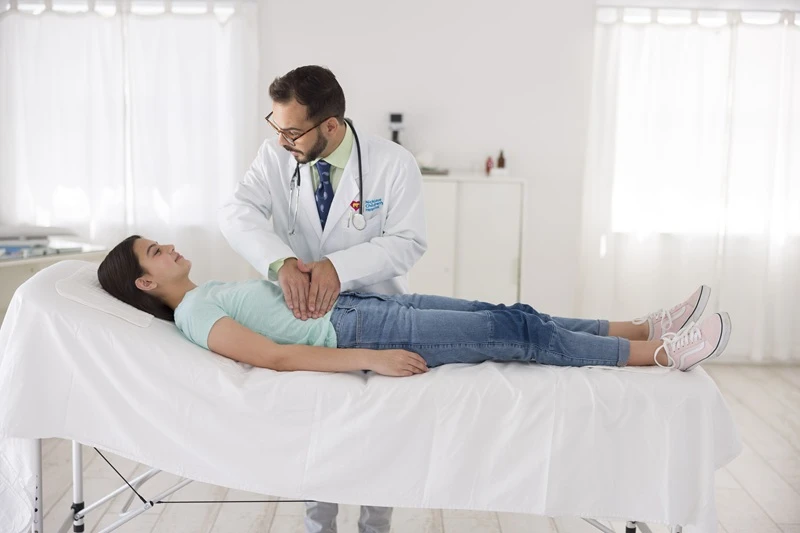
If your child’s doctor recommends an endoscopy, it’s completely natural to feel a little anxious. The good news is that endoscopy is a safe, minimally invasive procedure that is typically quick and well tolerated by children. In many cases, it is one of the most effective tools available for identifying the cause of symptoms such as difficulty swallowing, ongoing abdominal pain, or other digestive concerns.
More about Endoscopy
An endoscopy is a nonsurgical procedure used to examine the digestive tract and identify the cause of certain symptoms or health concerns. During the procedure, a physician uses a long, flexible tube with a small camera on the end — called an endoscope — to view the inside of the digestive system. For an upper endoscopy, the endoscope is gently guided through the mouth and throat to examine the esophagus, stomach, and the first part of the small intestine.
While the term endoscopy often refers to an upper endoscopy, it is actually a broader term. A colonoscopy, for example, is also a type of endoscopy. In that procedure, the endoscope is inserted through the rectum to examine the colon.
How the Procedure Works
While the idea of an endoscopy may sound intimidating at first, the procedure itself is very safe and typically painless for children. Most endoscopies take about 10 minutes to complete and are performed under general anesthesia, meaning your child will be asleep and comfortable throughout the procedure.
In many cases, the time spent preparing and administering anesthesia lasts longer than the endoscopy itself.
Why an Endoscopy?
There are several reasons why a pediatric gastroenterologist may recommend an endoscopy. This procedure can help confirm a diagnosis, evaluate swallowing or digestive concerns, and allow the health care team to identify the underlying cause of your child’s symptoms.
An endoscopy may be recommended if your child:
Preparation & Recovery
Before most endoscopy procedures, your child will need to fast for a period of time to ensure the digestive tract is clear. It’s important to follow your doctor’s preparation instructions carefully. If your child is undergoing a lower endoscopy (colonoscopy), they may also need to take a prescribed medication to clear the bowels beforehand. Be sure to let your doctor know about any medications or supplements your child is currently taking.
It’s also helpful to talk with your child ahead of time and reassure them that the procedure is safe and designed to help them feel better. Feeling nervous beforehand is completely normal.
After the procedure, your child will be taken to a recovery area while the anesthesia wears off. During this time, your health care team will review the initial findings with you. Most children feel a little groggy afterward and may have a mild sore throat, but these effects are temporary. Once your child is awake, comfortable, and able to drink fluids, you’ll be discharged to go home.
Minor Risks
If you would like additional reassurance about the safety and effectiveness of endoscopy, it may help to know that the Journal of Pediatric Gastroenterology and Nutrition describes pediatric gastrointestinal endoscopy as a well-established, safe and effective tool for diagnosing and managing many gastrointestinal conditions in children.
As with any medical procedure, there are potential risks, including bleeding, perforation, infection, or side effects related to anesthesia. However, complications are uncommon and even these side effects seldom occur with the procedure. Certain children — such as those with inflammatory bowel disease, congenital heart disease, connective tissue disorders, craniofacial differences, or those undergoing cancer treatment — may have a slightly higher risk of complications. Your child’s health care team will carefully review their medical history and discuss any potential concerns with you prior to the procedure.