


Diabetes (Type 2)
Also known as: Diabetes type 2, adult-onset diabetes
What is type 2 diabetes?
Type 2 diabetes is a medical condition in which the body has higher-then-normal blood sugar levels. Normally, insulin, produced by the pancreas moves glucose into one's cell to be used for energy. In type 2 diabetes the cells in the child’s body do not respond to the insulin. This is called insulin resistance. This can lead to long term complications like heart disease, blindness and kidney failure. At risk children include those with a family history of diabetes, girls, those who are overweight, and particularly children from African-American, Asian or Hispanic backgrounds.
What causes type 2 diabetes?
Being overweight is the largest contributor to the development of type 2 diabetes. Other factors include unhealthy diet, lack of exercise, and occasionally a hormone problem.
What are the symptoms of type 2 diabetes?
Initially, there may be no symptoms. Over time, children may experience unexplained weight loss, increased hunger or thirst, dry mouth, more frequent urination, fatigue, blurry vision, slow healing of sores or infections, itchy skin and tingling of fingers or toes.
What are type 2 diabetes care options?
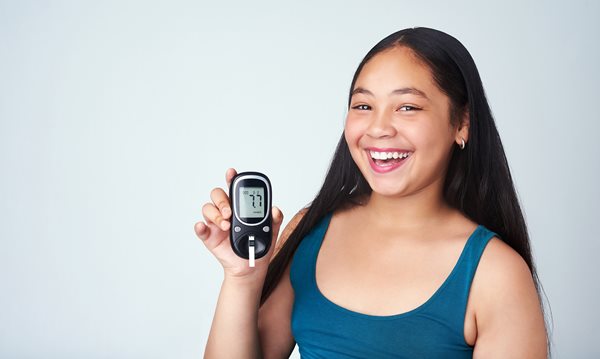
Losing weight if overweight, a healthy diet and exercise are important components of management. In addition, children with type 2 diabetes will need to have their blood sugars monitored regularly to ensure it is maintained at an appropriate level. Insulin and other diabetes medications may need to be taken.
Reviewed by: Jack Wolfsdorf, MD, FAAP
This page was last updated on: 9/16/2025 12:19:30 PM
Related Health Articles

Related Videos

Use the symptom checker tool to check how serious your symptoms are, if a healthcare visit is needed, and what steps you can take to relieve your symptoms at home.