

Autism
Also known as: autism spectrum disorder or ASD, autistic disorder, pervasive developmental disorder not otherwise specified (PDD-NOS), Asperger syndrome.
What is autism?
Autism refers to a group of neurodevelopmental disorders that makes it difficult for a child to interact socially, communicate verbally and non-verbally and connect with people. This makes everyday functioning difficult with other children and at school problematic.
- Autism spectrum disorder (ASD) refers to the wide range of symptoms with which children might be affected- some more severely, some less so.
- Asberger Syndrome and pervasive developmental disorders belong to the same broad category of developmental disorders. This group of disorders affects all racial and ethnic people's as well as families at all socioeconomic levels.
What causes autism?
It appears that both genetics and environmental factors play a role in causing autism. Neither the way parents behave or vaccines in use today are a cause.
What are the symptoms of autism?
Infants and children behave differently to their siblings and friends of the same age. They may not make eye contact, not interact with parents or play with friends (in a crowded environment they may become very emotional) and may make repetitive movements. All forms of social communication between them and parents, siblings, family members and friends is awkward and sometimes inappropriate. They may speak in a flat tone and repeat themselves many times on topics of their interest.
Many might develop epilepsy and have seizures. Some children and adults with autism may have great skills in a variety of different forms, i.e: mathematics, the arts, etc.
What are autism care options?
There is no cure for autism; it is a permanent condition. However, therapy can help reduce disruptive behaviors and education can increase the individual’s ability to become more independent.
The earlier in life that a child with autism is diagnosed and starts to receive treatment for his particular symptoms or difficulties, the more beneficial it will be. Each child's autism is unique so required treatment options vary.
Reviewed by: Jack Wolfsdorf, MD, FAAP
This page was last updated on: 2/26/2026 1:38:22 PM
Adaptive Care Program
For some children with behavioral or communication vulnerabilities, including many on the autism spectrum, a hospital stay can be challenging. At Nicklaus Children's Hospital, our inpatient Adaptive Care Program supports the needs of our neurodivergent population and other eligible children.
Learn MoreRelated Health Articles

Related Videos

Use the symptom checker tool to check how serious your symptoms are, if a healthcare visit is needed, and what steps you can take to relieve your symptoms at home.
Inspiring Patient Stories
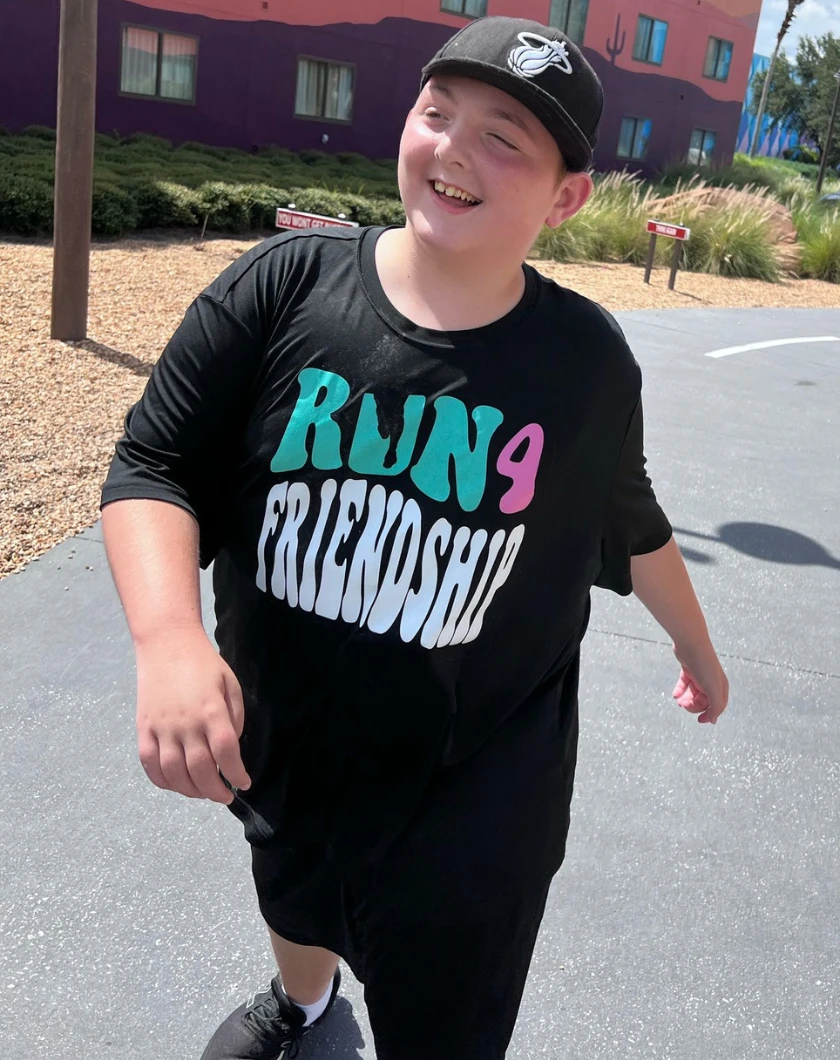 Patient of the Month: Mark
It is difficult for Mark, a non-verbal young man living with Autism, to communicate his ailments. But after a visit to the Nicklaus Children's Hospital Emergency Room (E.R.), Mark's life changed for the better. This one visit led him to a specialized team of physicians from the Division of Gastroenterology and the Undiagnosed Disease Clinic which would provide more insight into Mark's overall health.